
Richmond Allergy & Asthma Specialists




Call us:
Allergist in Richmond, VA We do it right
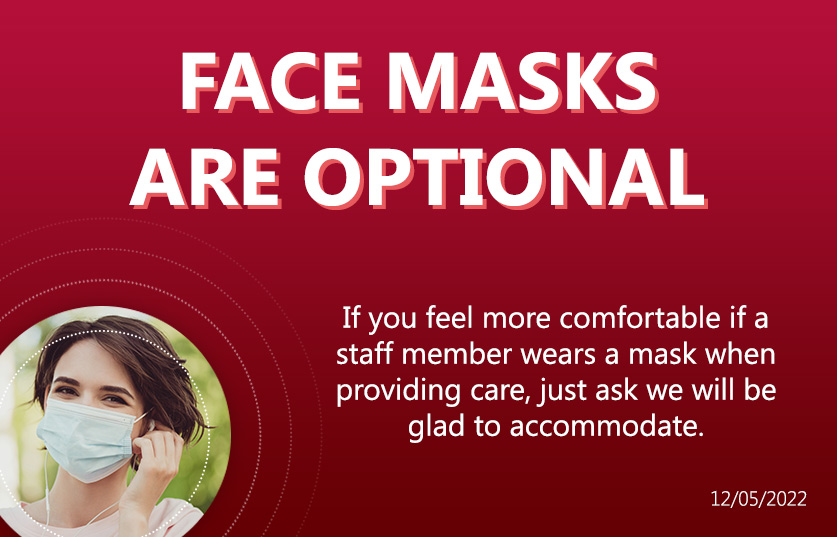
Welcome to Richmond Allergy & Asthma Specialists
 Your best days are ahead of you!
Do you feel that your options for an allergy-free life are running out?
Whether you need to avoid allergens, allergy testing, manage symptoms with medication, or receive allergy shots—we can help! Our mission at RAAS is to provide the highest quality allergy and asthma health care for our community.
Our physicians are committed to creating an atmosphere of open communication, mutual respect, and teamwork. We provide one-on-one, personalized care and treatment for your medical needs. Let our family take care of your family, because what we do matters to you!



Need to consult an allergy doctor? Existing and new patients can schedule appointments.

Maybe you aren’t sure if you need an allergist. Review the common symptoms and conditions below that we treat.
- Allergic rhinitis (Hay fever)
- Asthma
- Drug allergies
- Eczema/ Atopic dermatitis
- Food allergies
- Headaches
- Hives
- Itchy or watery eyes
- Nasal congestion
- Persistent cough
- Postnasal drip
- Recurring ear, sinus and respiratory infections
- Reflux/ Irritable bowel
- Sneezing
- Stinging insect allergies
Skin testing is a method of testing for allergic antibodies. We will introduce small amounts of suspected allergens into the skin, noting the development of a reaction. The results are read 15- 20 minutes after the application of the allergen. Interpretation of skin tests requires the allergist’s skill in matching the results with the patient’s history of allergy-like symptoms.
We offer a wide range of allergens for testing, including foods, environmental inhalants, and select medications. What you are tested for will be determined after speaking with our providers, based on your history and symptoms.
Immunotherapy, or allergy injections, is a treatment used to relieve allergy symptoms of allergic rhinitis (hay fever) or allergic asthma by administering injections of substances such as pollen, mold spores, dust mites, animal dander and insects to which an individual has been found to be allergic by skin testing. The injections build up a patient’s immunity to allergens and generally, patients find a substantial reduction of their symptoms and need for medication.
You should consider immunotherapy if you are unable to avoid specific allergens, frequently miss school and work because of symptoms, and/or get inadequate relief from medications or experience troublesome side effects from those medications.